Motor Terunik Di Dunia – Apakah model vintage dari era keemasan produksi sepeda motor atau sepeda futuristik, ini semua adalah kreasi unik yang tidak diragukan lagi.
Desain sepeda motor telah berubah secara dramatis selama
bertahun-tahun. Sepeda motor pertama, yang diciptakan oleh Gottlieb Daimler
(yang ikut mendirikan perusahaan Daimler-Benz) dibangun pada tahun 1885 dan
hampir tidak dapat dikenali oleh kepala piston modern. Tidak hanya itu datang
dengan stabilisator, tetapi juga terbuat dari kayu – tidak persis dirancang
untuk perjalanan yang mulus dan cepat!
Sepeda motor abad ke-21 adalah jenis yang sama sekali berbeda, dibuat dengan bahan ringan untuk kecepatan, dan dengan banyak pemikiran yang diberikan pada penampilan sepeda serta kinerjanya. Perusahaan Jepang seperti Kawasaki, Suzuki, dan Honda terkenal dengan sepeda motor mereka, tetapi nama-nama yang lebih mapan, seperti Triumph dari Inggris dan ikon Harley-Davidson, masih membuat sepeda motor yang populer dan canggih, beberapa dekade setelah kreasi pertama mereka bergulir. jalur produksi. sbobet88
Namun, selama lebih dari 100 tahun produksi sepeda motor, ada beberapa kesalahan dan semua hit. Sepeda dalam daftar ini tentu saja merupakan yang paling tidak biasa dan aneh yang pernah dibuat, tetapi itu tidak selalu merupakan hal yang buruk! Banyak pengendara sepeda ingin menonjol dari keramaian, dan mengendarai salah satu sepeda motor di bawah pasti akan membuat kepala berputar! americandreamdrivein.com
Apakah model vintage dari era keemasan produksi sepeda motor
atau sepeda futuristik yang terlihat seolah-olah mereka akan lebih betah dalam
film fiksi ilmiah, sepeda motor ini adalah kreasi unik yang tidak diragukan
lagi.
1.Rokon Trail-Breaker
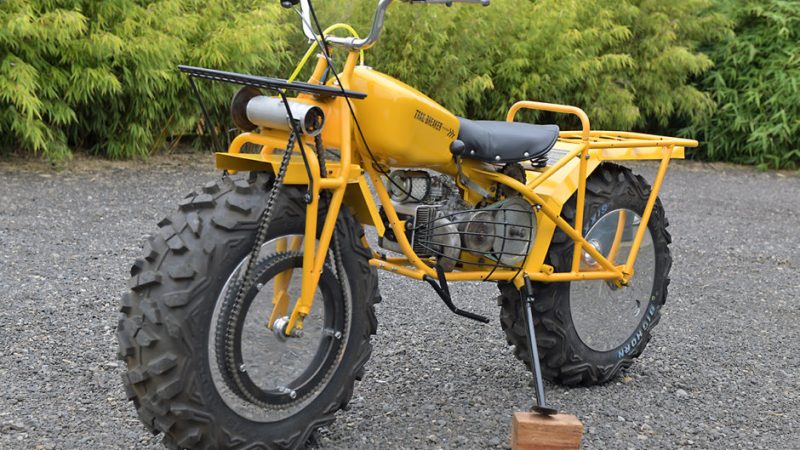
Rokon Trail-Breaker terlihat seperti kombinasi aneh sepeda
motor dan kendaraan off-road; bayangkan ATV dengan dua roda, dan Anda akan
memiliki sesuatu yang dekat dengan penampilan Trail-Breaker yang tidak biasa.
Rokon yang berbasis di AS telah membuat motor Trail-Breaker
sejak 1960-an, dan bahkan telah digunakan oleh Angkatan Bersenjata AS.
Trail-Breaker dapat menarik bobot hingga 2.000 lbs dan dapat
memanjat bukit dengan kemiringan 60%, sedangkan ground clearance 14-inci
menjadikannya seperti karya sebagian besar medan off-road. Sepeda Rokon bahkan
memiliki roda berongga, yang memungkinkan sungai untuk menyimpan bahan bakar
atau air 2,5 galon tambahan.
2. Sepeda Motor Jaguar
Perusahaan mobil klasik Inggris Jaguar terkenal dengan mobil
eksekutif mereka yang bergaya, beberapa di antaranya bahkan merupakan armada
kendaraan yang digunakan oleh Keluarga Kerajaan Inggris. Namun, sementara
perusahaan itu sendiri belum pindah ke pasar sepeda motor, Massow Concept
Cycles telah menciptakan sepeda konsep mereka sendiri, terinspirasi oleh topi
kap Jaguar yang ikonik. Bodywork yang mulus pada motor ini terlihat hampir
mustahil untuk dikendarai, tetapi begitu Anda terbiasa, mesin Buell S3 1200cc
V-twin membuatnya menjadi perjalanan yang mengasyikkan. Sentuhan desain kecil inilah
yang membuat motor ini begitu tidak biasa, seperti menempatkan lampu depan di
mulut Jaguar itu sendiri.
3.Haleson Steam Didukung
Motor Haleson Steam Powered sama persis dengan
kedengarannya. Dari sisi penampilan, kelihatannya seperti sepeda biasa, dengan
platform di antara roda tempat ketel uap bertenaga parafin, mengendarai mesin
200cc.
Tidak banyak pengemudi modern akan merasa nyaman dengan
boiler yang berpotensi meledak di antara kaki mereka, tetapi pada tahun 1904
ketika Haleson pertama kali diluncurkan, itu sebenarnya cukup populer.
Penciptaan aneh ini adalah gagasan William Hale dari Bristol
di Inggris dan diproduksi hingga 1914, saat teknologi telah bergerak, membuat
gagasan sepeda motor bertenaga uap menjadi usang.
4. Tidak Dicycle
Uno Dicycle, ditemukan oleh seorang remaja Kanada pada tahun
2006, berjarak sejauh mungkin dari sepeda motor konvensional. Ini sebenarnya
sebuah siklus, dengan dua roda duduk berdampingan, bukan satu di depan yang
lain. Meski terlihat agak genting, kendaraan ini bisa menyeimbangkan diri
sendiri, melaju kencang saat pengendara condong ke depan dan melambat saat
mereka memimpin kembali. Jika Anda merasa agak terlalu gugup mengendarai Uno
dalam bentuk siklus, maka Anda selalu dapat membeli kendaraan Duo III, yang menambahkan
roda ketiga menjadikannya roda tiga yang jauh lebih stabil.
5. Roadog
Hanya dua sepeda motor Roadog yang pernah dibuat oleh Wild
Bill Gelbke pada 1960-an – yang merupakan hal yang baik bagi pengguna jalan
lain dan bagi lingkungan!
Dibuat dengan mesin Chevrolet 153, penggerak poros Roadog
dibuat dari potongan diferensial truk 1 ton Chevy menjadi dua, membuat sepeda
jadi memiliki panjang lebih dari 17 kaki dan berat lebih dari 3.200 lbs.
Mengemudi Roadog adalah keahlian tersendiri, karena raksasa
tersebut harus melakukan perjalanan setidaknya 15 mph sebelum pengendara bahkan
dapat menyetirnya dengan akurat. Karya Gelbke menjadi ikon bagi pengendara
sepeda motor, dan poster yang menampilkannya mengendarai Roadog-nya menjadi
populer di kalangan penggemar sepeda motor.
6. Ner-A-Car
Dibuat oleh Carl Neracher pada tahun 1918, dan dijual ke
publik di Inggris dan AS antara tahun 1921 dan 1928, Ner-a-Car (permainan
kata-kata, karena sepeda motor yang tidak biasa adalah “hampir sebuah
mobil”) adalah “kaki-” pertama “sepeda, yang pengendara
duduk di agak seperti kursi, bukannya posisi berkuda modern yang kita kenal dan
cintai. Itu adalah motor penggerak hub-center, yang berarti bahwa titik pivot
kemudi berada di dalam hub roda, tidak di atas roda seperti pada sepeda normal.
Bahkan, itu adalah salah satu kendaraan pengemudian hub-center paling sukses,
menjual 16.500 unit.
7.Majestic
Bergerak sedikit maju dalam sejarah sepeda motor, Majestic
pertama dibangun oleh penciptanya, Georges Roy, pada tahun 1929.
Dalam banyak hal, ciptaan Georges adalah yang terdepan; ia
membuat bodywork logam menjadi bentuk art deco melengkung yang samar-samar
mengingatkan pada beberapa sentuhan desain pada sepeda modern.
Dia juga memimpin dengan metode produksi baru, banyak di
antaranya memungkinkan industri otomotif untuk memperluas dan merangkul
produksi massal, termasuk metode monocoque atau unibody membuat kendaraan yang
menjadi norma sejak 1940-an dan seterusnya. Majestics Vintage sangat diminati,
dan tidak sulit untuk melihat mengapa.
8. Imme R100
Imme R100 adalah proyek seumur hidup tercinta dari Norbert
Riedel, seorang insinyur Jerman yang menghabiskan WWII membantu membangun mesin
untuk pesawat tempur Luftwaffe. Pada akhir perang, pada tahun 1947, Riedel
akhirnya dapat mulai mengerjakan desain sepeda motor yang telah ia rencanakan
selama beberapa tahun; Imme R100. “Imme” – bahasa Jerman untuk lebah
– seharusnya memenuhi permintaan transportasi murah pada tahun-tahun
pasca-perang, tetapi yang akhirnya diciptakan Riedel adalah sepeda motor yang
unik, yang masih merupakan salah satu sepeda paling tampan yang pernah ada jika
sedikit tidak biasa dibandingkan dengan selera modern kita.
9. Bohmerland
Böhmerland adalah produsen sepeda motor yang berbasis di
bekas Cekoslowakia antara 1924 dan dimulainya Perang Dunia II. Dikenal secara
lokal sebagai Čechie, perusahaan ini menciptakan sejumlah sepeda motor yang
menarik perhatian, terutama berkat karya perancang kepala Albin Leibisch.
Sepeda yang mereka hasilkan semuanya memiliki bingkai
panjang yang dilas, garpu depan built-up, dan roda aluminium cor.
Gabungkan semua itu dengan skema warna yang tidak biasa yang
dianut oleh Böhmerland, dan mudah untuk melihat mengapa sepeda ini layak
mendapatkan tempat mereka dalam daftar ini. Böhmerland juga tidak hanya membuat
sepeda motor, tetapi juga versi tiga kursi dan empat kursi dari kendaraan yang
sama ini.
10.Ascot Pullin 500
Pendiri Sepeda Motor Ascot-Pullin, Cyril Pullin, tumbuh di
sekitar sepeda, memenangkan salah satu balapan Isle of Man TT yang prestisius
pada tahun 1914.
Pada tahun 1928, ia dan temannya, Douglas Groom, bergabung
untuk membuat sepeda motor Ascot Pullin 500, sepeda motor pertama dengan rem
hidrolik, dan yang memiliki mesin yang dipasang secara horizontal, tertutup
dalam kerangka baja yang ditekan.
Sedihnya, nama itu terbukti merupakan prediksi yang tidak
menguntungkan untuk Pullin and Groom, karena hanya sekitar 500 sepeda motor
yang pernah dijual, dan perusahaan itu akhirnya terpaksa gulung tikar pada
tahun 1930.